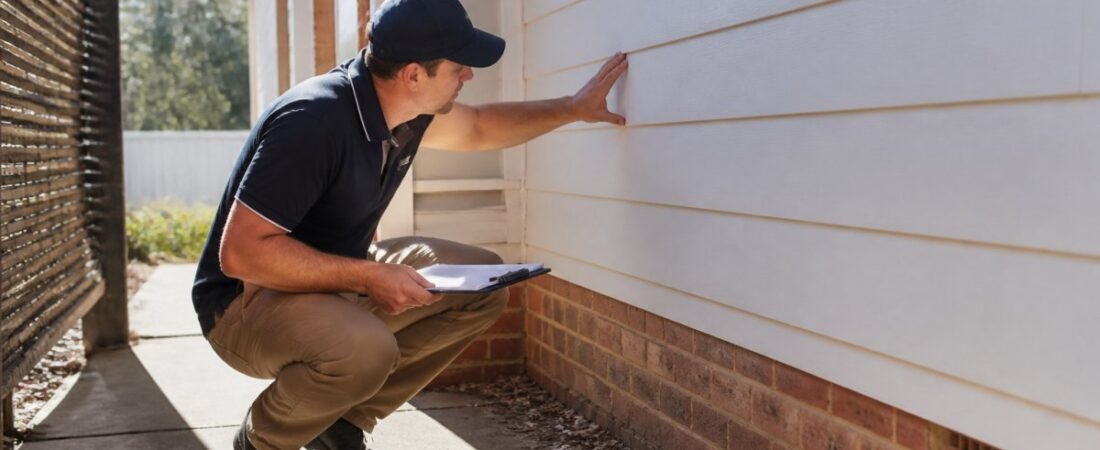
Last Updated: October 23, 2026
Quick Summary
Common defects in Canberra houses include structural cracking from reactive clay soils and poor drainage, roof leaks from failed flashings or blocked gutters, failed wet area waterproofing, subfloor moisture and cosmetic plaster cracking. A pre-purchase building inspection identifies these defects, notes their likely cause and flags items needing specialist reports.
- Cracks wider than a few millimetres or diagonal cracks from window corners point to footing or slab movement.
- Water damage signs include musty odours, bubbling paint, dark ceiling tide marks and swollen skirting boards.
- Major defects threaten structure or safety, while minor defects are cosmetic and rarely grounds to walk away.
- Resicert reports include 50-100 photos and are delivered within 24 hours.
- Read the inspection report summary and major defects first, then safety hazards and defect lists by area.
Table of Contents
- Why Common Defects in Canberra Houses Catch Buyers Out
- Cracks and Structural Movement: Reading the Warning Signs
- Signs of Water Damage in a House You Should Never Ignore
- Major and Minor Building Defects ACT Buyers Need to Understand
- What a Pre-Purchase Building Inspection Canberra Buyers Rely On Covers
- How to Read a Building Inspection Report Without the Jargon
- Conclusion
- Frequently Asked Questions
Why Common Defects in Canberra Houses Catch Buyers Out
Most buyers walk through a home looking at the kitchen and the light. The expensive problems are rarely in either place. Common defects in Canberra houses tend to hide in the roof space, under the floors and behind fresh paint, and they rarely announce themselves during a twenty-minute open inspection.
That gap between what you see and what is actually there is where money gets lost. At Resicert, we have completed more than 150,000 inspections since 2009, and the pattern is consistent: the defects that hurt buyers most are the ones the vendor never knew about either.
Canberra’s climate adds its own pressure. Cold winters, dry summers and sharp temperature swings work on brickwork, timber and drainage in ways that coastal cities do not experience. Add the city’s older established suburbs sitting beside fast-built new estates, and you get two very different defect profiles in the same market.
Below, we break down what to look for, what causes each problem, and how to protect yourself before you sign.
Cracks and Structural Movement: Reading the Warning Signs
Not every crack is a crisis, but the wrong crack is a red flag. Hairline cracks in plasterboard are usually cosmetic. Cracks wider than a few millimetres, diagonal cracks running from window corners, or cracks that step along brick mortar joints point to movement in the footing or slab.
What causes it? Reactive clay soils expand and contract with moisture, and Canberra’s dry spells followed by heavy rain put footings through constant cycles. Poor drainage concentrates water at one corner of a slab, and the soil moves unevenly beneath it.
The consequence is rarely cosmetic. Structural movement can jam doors, crack tiles and, in serious cases, affect the load-bearing capacity of walls.
- Check: step cracks in brickwork, gaps above windows, doors that no longer latch
- Prevent: keep stormwater away from footings, maintain gutters, avoid planting large trees close to the slab
- Act: have any crack wider than a few millimetres assessed before you exchange contracts
Signs of Water Damage in a House You Should Never Ignore
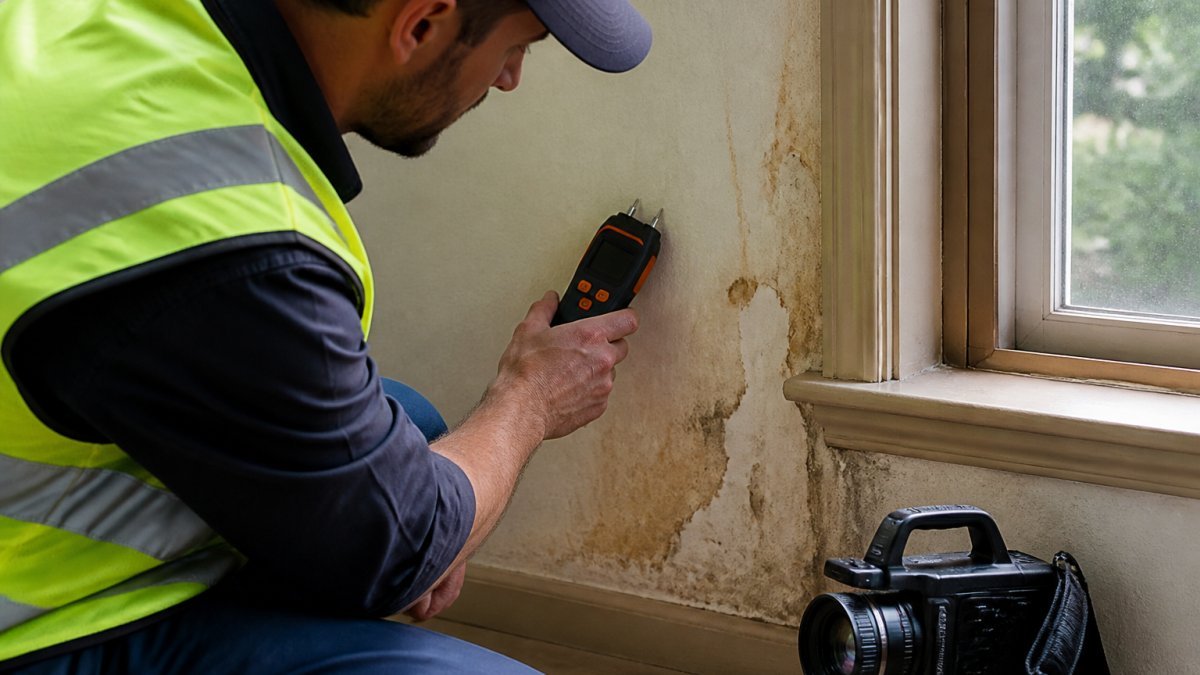
Water is the most expensive defect in residential property, and it is also the easiest to disguise. A fresh coat of paint over a damp patch buys the vendor time and costs the buyer thousands.
The tell-tale signs of water damage in a house include musty odours in closed rooms, bubbling or flaking paint, dark tide marks on ceilings, swollen skirting boards, and a sagging or stained cornice. In the roof space, look for rusted fixings, stained battens and daylight through the sarking.
Causes range from failed roof flashings and blocked box gutters to poor subfloor ventilation trapping moisture under timber floors.
Never accept a verbal assurance that a stain is “old” or “just condensation.” Moisture readings and thermal imaging reveal what paint conceals, and a hidden leak left untreated can rot framing and invite termites.
Major and Minor Building Defects ACT Buyers Need to Understand
Major and minor building defects ACT buyers encounter fall into two broad buckets, and the distinction matters for negotiation.
Major defects threaten the structure or safety of the home: footing movement, roof framing failure, failed waterproofing to wet areas, and significant drainage problems. These are expensive and often urgent.
Minor defects are cosmetic or non-structural: sticking windows, worn seals, minor plaster cracks, tired paintwork. They are normal wear and rarely grounds to walk away.
| Defect type | Typical cause | Consequence | Action |
|---|---|---|---|
| Structural cracking | Reactive clay, poor drainage | Compromised footings | Engineer assessment |
| Roof leak | Failed flashing, blocked gutter | Rot, ceiling damage | Repair before settlement |
| Failed wet area waterproofing | Ageing membrane | Timber rot, mould | Rectify and retest |
| Subfloor moisture | Poor ventilation | Termite risk, floor movement | Improve ventilation |
| Cosmetic cracking | Plaster shrinkage | Appearance only | Monitor |
The line between the two is not always obvious to an untrained eye, which is why an independent assessment matters.
What a Pre-Purchase Building Inspection Canberra Buyers Rely On Covers
A pre-purchase building inspection Canberra buyers commission is a visual, non-invasive assessment of the property’s condition. It covers the roof exterior and interior where accessible, subfloor, walls, ceilings, wet areas, drainage, and the site itself.
It is not a warranty, and it does not open walls. What a good inspection does is identify defects, note their likely cause, and flag items requiring further specialist reports.
At Resicert, our inspections use moisture testing and thermal imaging to detect problems a visual check alone would miss, and each report includes 50-100 photos so you can see exactly what the inspector saw. Reports are delivered within 24 hours, which matters when your offer deadline is tight.
If the vendor supplies their own inspection report, treat it as background reading, not a substitute. An independent report commissioned by you is the only one working solely in your interest.
How to Read a Building Inspection Report Without the Jargon
A building inspection report is a written record of a property’s condition at the time of inspection, organised by area and defect severity. The first page usually carries a summary, and that summary is where you should start.
Read it in this order:
- Summary and major defects – what needs urgent attention
- Safety hazards – anything that could injure an occupant
- Defect list by area – roof, subfloor, wet areas, exterior
- Recommendations – which items need a specialist or further testing
- Photos – match each image to the written finding
Ignore the temptation to skim. Ask the inspector to walk you through anything unclear, and get cost estimates on major items before you finalise your offer.
Conclusion
Buying a home means accepting some risk, but it should never mean accepting risk you cannot see. The defects covered here, from footing movement to hidden moisture, are the ones that quietly turn a purchase into a project.
Resicert exists to close that gap. We deliver independent building and pest inspections with clear, jargon-free reporting, 50-100 photos per report, and turnaround within 24 hours, backed by ISO 9001 quality certification and multi-million dollar insurance coverage. Our local inspectors know how Canberra homes are built and where they fail.
Request a quote from Resicert today and walk into your purchase knowing exactly what you are buying.
Frequently Asked Questions
What are the most common defects found in Canberra houses?
The defects inspectors flag most often in Canberra houses are wall and ceiling cracks from soil movement, failed roof flashing and gutter leaks, rising damp and subfloor moisture, deteriorated window seals, and ageing hot water and plumbing systems. Termite activity and poor drainage around the slab also come up regularly. Many of these issues are slow to develop and easy to miss in a standard walkthrough, which is why a pre-purchase building inspection Canberra buyers arrange before offer or settlement is worth the cost.
What is the difference between a major and minor building defect in the ACT?
A major defect is one that threatens the structure, safety or liveability of the home, such as significant foundation movement, roof failure, serious water ingress or active termite damage. A minor defect is cosmetic or low-risk, like a hairline crack, a sticking door or worn sealant. The distinction matters because major and minor building defects ACT reports list separately, and major items are the ones you use to negotiate price, request repairs or walk away. Always ask your inspector to rank each defect clearly.
What defects should a pre-purchase building inspection check?
A thorough inspection covers the roof and roof space, subfloor, walls and ceilings, foundations, drainage, wet areas, windows and doors, and the condition of electrical and plumbing fixtures. It should include moisture testing and, where useful, thermal imaging to find hidden damp. The building inspection report should list each defect with photos, severity and a plain-English explanation. Ask whether pest inspection is included, since termite damage is one of the costliest problems to fix after purchase.
What should I do if an inspection finds defects before settlement?
Get the report in writing with photos and severity ratings, then discuss your options with your solicitor or conveyancer. Depending on your contract, you may be able to negotiate a price reduction, request the vendor fix major items before settlement, or withdraw if the defects are serious enough. Do not rely on verbal assurances. Having a clear building inspection report in hand gives you real leverage and a documented record if a dispute arises later.
