Last Updated: November 1, 2026
Quick Summary
To choose a building inspector in Canberra, check their ACT licence or registration, confirm their insurance, and make sure they are independent of the agent and seller. Ask for a sample report to judge clarity. Then book before your offer closes, so the findings can inform your decision.
- Ask for the ACT licence or registration number and verify it through official channels.
- Request certificates of currency for professional indemnity and public liability insurance.
- Confirm the inspector has no referral arrangements with the agent or seller.
- Read a redacted sample report to check the summary, defect locations and stated limitations.
- Book an inspection before your offer closes, not after.
Table of Contents
- Why the Right Building Inspector Matters Before You Buy in Canberra
- Building Inspector Qualifications to Check in the ACT
- Pre-Purchase, Pre-Settlement and New-Build Inspections: Which One You Need
- Questions to Ask a Building Inspector Before You Book
- Independence, Scope and Inaccessible Areas: What a Good Inspection Covers
- What a Strong Building Inspection Report Looks Like
- Booking Your Building and Pest Inspection in Canberra
- Frequently Asked Questions
Buying a home in Canberra is one of the biggest financial decisions most people ever make. A building inspector can spot problems you would never notice on a walk-through, from hidden moisture to termite damage. Choosing the right one is the first step to buying with confidence.
This guide walks through how to choose a building inspector in Canberra, step by step. It covers the qualifications to check, the type of inspection you actually need, the questions worth asking before you book, and what a useful report looks like.
Why the Right Building Inspector Matters Before You Buy in Canberra
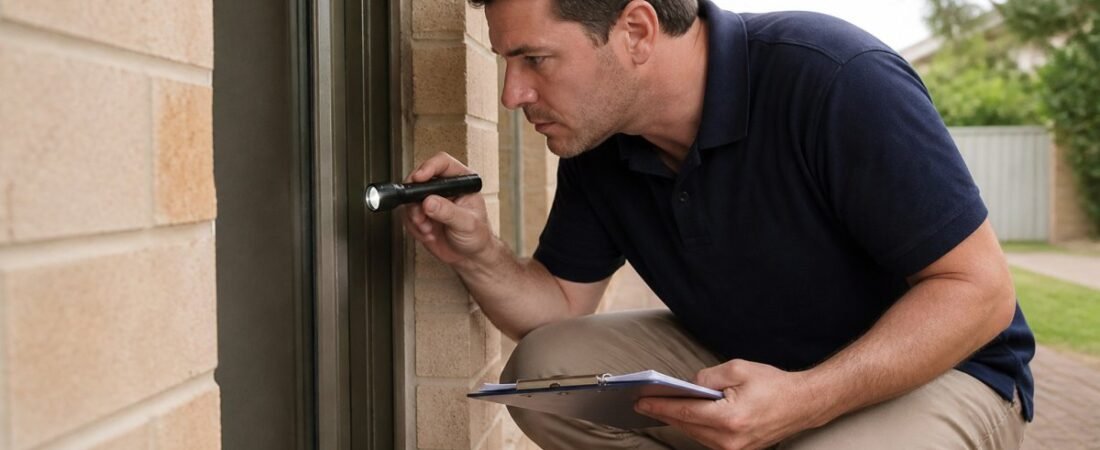
A building inspector is a trained professional who checks a property’s structure, condition and visible defects. To understand why working with an independent inspector matters for buyers, read why independent building inspections matter for buyers. Their job is to give you an honest picture before you commit to a purchase.
Many buyers rely only on the vendor’s report or a quick look during open inspections. These can miss problems that take a trained eye to find. A thorough inspection can flag issues that affect repair costs, insurance and negotiation.
Keep these points in mind when you start looking:
- Look for independence. The inspector should have no link to the agent or seller.
- Check local experience. Knowing common Canberra building issues helps them spot red flags.
- Expect a clear report. You should understand what was found without needing a dictionary.
Building Inspector Qualifications to Check in the ACT
Before you book anyone, check their qualifications and professional standing. Ask which licences, training and insurance they hold, and confirm them yourself rather than taking their word for it.
Separate what is required from what is merely reassuring
In the ACT, building inspection work sits within a regulated construction environment, but the exact licence or registration an individual inspector must hold depends on the type of work and the scope they offer. Rather than assume, ask the inspector to state plainly which ACT licence or registration they hold, its number, and what it authorises them to do. Then verify it through the official ACT government channels, do not rely on a logo or a sentence on their site.
Useful things to verify:
- Current ACT licence or registration relevant to the inspection work they are offering, including the number and expiry
- Professional indemnity insurance, ask for the policy’s certificate of currency and check the cover is current
- Public liability insurance, relevant if the inspector is on site and something is damaged
- Membership of a recognised inspection body, where they hold one, useful as a signal of continuing training and a code of conduct, but not a substitute for the licence check
- Training and years of inspection work, including how much of that has been in the ACT
A credible inspector will give you the licence number and insurer details without hesitation. If they deflect, treat that as a warning sign rather than a paperwork delay.
What memberships do and do not tell you
Membership of a professional inspection body can indicate that an inspector has met a training or experience threshold and agrees to a code of conduct, and some bodies require continuing professional development. That is genuinely useful. But membership is not the same as the statutory licence or registration that applies to the work, and it does not replace insurance. Treat it as one layer of assurance, not the whole picture.
Questions that expose the difference
Ask each shortlisted inspector the same three questions and compare the answers side by side:
- What is your ACT licence or registration number, and what does it cover?
- Can you send your certificate of currency for professional indemnity and public liability insurance?
- Which professional body are you a member of, and what does that membership require of you each year?
An inspector who answers all three clearly, in writing, is giving you something concrete to verify. One who answers only the third is telling you where their confidence actually sits.
Pre-Purchase, Pre-Settlement and New-Build Inspections: Which One You Need
Different stages of a property deal call for different inspections. Knowing which one you need saves money and avoids gaps.
- Pre-purchase inspection: Done before you make an offer or sign a contract. This is the most common type and helps you decide whether to buy and what to negotiate.
- Pre-settlement inspection: Done shortly before settlement. It confirms the property is in the same condition as when you agreed to buy it.
- New-build or handover inspection: Done on a new home before you take possession. It checks workmanship and finds defects while the builder is still responsible for fixing them.
Many buyers book a pre-purchase inspection and later add a pre-settlement check. If you are unsure how combined building and pest costs compare across these stages, see how to understand combined building and pest inspection costs. Ask the inspector which stage suits your situation.
Questions to Ask a Building Inspector Before You Book
A good inspector will welcome your questions. Use these to compare providers:
- What qualifications and insurance do you hold?
- How many inspections have you done in Canberra?
- Will you inspect for timber pests as well as building defects?
- What areas can’t you access, and how do you report them?
- How long will the report take, and what format is it in?
- What is included in the price, and are there any extra fees?
Pay attention to how clearly they answer. Vague replies are a warning sign.
Independence, Scope and Inaccessible Areas: What a Good Inspection Covers
An independent inspector works for you, not the seller or the agent. Ask directly whether they have any referral arrangements that could affect their findings.
The scope of the inspection matters just as much. To see the defects a thorough inspection should check for in local homes, read our common defects in Canberra houses guide. A thorough inspection should cover the structure, roof, walls, floors, plumbing and visible electrical components, along with timber pest checks where relevant. Each inspection also has limits. Locked rooms, high roofs, and areas behind furniture may not be inspected.
What a Strong Building Inspection Report Looks Like
The report is the main thing you get for your money, so judge it carefully, and judge it before you book, using a sample. A strong report is not the longest one; it is the one that lets you make a decision and act on it.
Read a sample report like a buyer, not a browser
Ask for a redacted sample report and read it with these questions in mind:
- Is the summary usable on its own? You should be able to read the first page and understand the major issues without hunting through the document.
- Are defects located, not just named? A photo of a crack means little without the room, wall and approximate position. Good reports tie each finding to a location.
- Are photographs clear and dated? Blurry or undated images make it hard to confirm what was seen and when.
- Are limitations stated up front? The report should say which areas were not inspected and why, locked rooms, roof spaces, subfloors, areas blocked by stored belongings.
- Is there a clear distinction between safety issues, major defects and minor maintenance? A report that lists everything at the same weight is harder to negotiate with.
A sample that is hard to follow is a preview of the final report. If you cannot find the summary, the defect locations or the limitations in the sample, assume the same will be true when it matters.
Understand what a standard inspection can and cannot see
A standard visual inspection is exactly that, visual and non-invasive. It can identify visible defects, evidence of moisture, cracking and workmanship issues. It generally cannot confirm concealed defects behind walls, under floors or above ceilings, and it does not replace specialist reports such as structural engineering, drainage or electrical assessments. A good report is explicit about this boundary, because the boundary is where your risk sits.
Prioritise the findings, then follow up
Once you have the report, sort the findings into three groups: issues that affect safety or structural integrity, issues that affect cost or negotiation, and routine maintenance. Then use the report as a conversation starter:
- Ask the inspector to clarify anything you do not understand, a good one will walk you through it.
- Ask whether a finding warrants a specialist referral, and get that in writing.
- Keep the report and any clarifications with your contract documents, because they may matter at pre-settlement.
Compare reports, not just prices
Two inspectors can quote differently and deliver very different documents. When you compare providers, compare the sample report, the stated scope and exclusions, the turnaround time and the follow-up offer alongside the fee. The cheapest inspection is rarely the cheapest decision if the report leaves you guessing.
The table below summarises what to look for in a sample report and what a standard inspection can and cannot see.
| Check | What a strong report does | Watch out for |
|---|---|---|
| Summary | Usable on its own | Hard to find |
| Defect location | Ties each finding to a room and position | Named but not located |
| Photographs | Clear and dated | Blurry or undated |
| Limitations | Stated up front | Silent on what was missed |
| Priority | Separates safety, major and minor issues | Everything weighted equally |
| Scope | Visual and non-invasive | Implied to cover concealed defects |
Booking Your Building and Pest Inspection in Canberra
Once you have shortlisted inspectors, compare them on qualifications, independence, scope, report quality and total cost. Ask for a written quote that lists everything included.
If you want a local, independent building and pest inspection in Canberra, you can request a quote from Resicert and ask about turnaround time before you commit. Our local building and pest inspection service is designed for buyers who need a clear, jargon-free report.
Choose your inspector early in the buying process, ideally before your offer closes. A little research now can protect you from expensive surprises later.
Frequently Asked Questions
What does a pre-purchase building inspection cover?
A pre-purchase building inspection assesses the visible condition of the structure, including the roof, walls, floors, footings, windows, doors, plumbing and electrical components that can be safely accessed. It identifies visible defects such as cracking, moisture problems and water damage, and it notes where access was restricted. It does not guarantee that hidden defects are absent. Pest inspections are usually booked separately or as a combined building and pest report, and it is worth confirming exactly what is included before you pay.
What qualifications should a building inspector have?
Ask whether the inspector holds a recognised building surveying or building inspection qualification, and whether they carry professional indemnity and public liability insurance. Check that the individual, not only the company, is appropriately licensed or registered for the work being done. Ask how many inspections they complete each year and whether they have experience with the age and construction types common in your target suburb. A clear, verifiable answer to these questions is a stronger signal than a polished website.
How do I compare building inspection reports?
Compare reports on scope, clarity and follow-up rather than on length alone. Look for a clear summary of defects ranked by severity, photographs linked to specific findings, and a statement of areas that could not be inspected. Check whether the report explains what each issue means in plain language and whether it recommends a specialist where needed. Fees should be compared against what is included, such as pest inspection, moisture testing or follow-up questions after delivery.
How soon should I book a building inspection?
Book as soon as you have a property you are seriously considering, ideally before you make an offer or sign a contract, so the findings can inform your negotiation. Many buyers have short timeframes, so ask the inspector about booking availability and expected report turnaround before you commit. If your offer is conditional on inspection, confirm the cooling-off period and any finance or building condition clauses with your conveyancer or solicitor so the timing works in your favour.
